IoT Project using Blynk App Circuit Diagram IoT for smart control lighting systems according to the traffic demand is implemented. (Rajesh Singh et al., 2021) The integration of IoT and AI into lighting systems enables real-time monitoring and access to various aspects, such as traffic events, route guidance, air quality, weather forecast, and emergency facilities.

Introduction: Smart Street Light Using NodeMCU and IOT ThingSpeak. There have been a limited number of streets in smart societies, and over the last few decades, street lamps and management regulation have been relatively simple. However, as the world has become a more prosperous community and as urbanization has increased, the number of smart Learn how to create a simple IoT smart light system using Arduino, Wi-Fi, and the Blynk app with step-by-step instructions and code. Build Your First IoT Project: Smart Light System. What You'll Need: An Arduino or Raspberry Pi; WiFi Module (e.g., ESP8266) An LED and Resistors; A smartphone with an IoT app (e.g., Blynk)
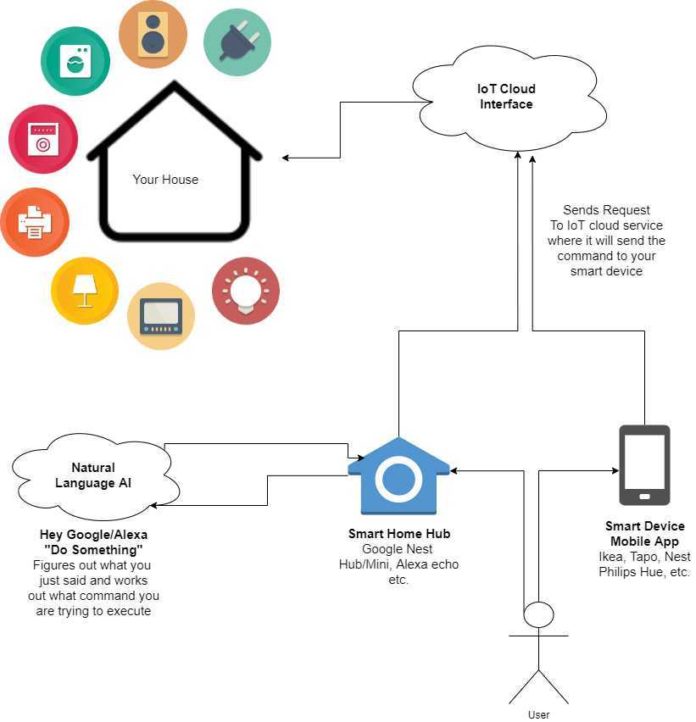
IoT Home Automation Circuit Diagram
How to build an IoT System? Building an IoT system involves several steps. Here's a general overview of the process: Smart Homes: IoT devices can make homes more comfortable, secure, and energy-efficient. Connected appliances, thermostats, lighting systems, and security devices can be controlled remotely, and automated routines can

Here, you will see the smart home components like smart lighting, smart appliances, intrusion detection, smoke/gas detector, etc. So, let's discuss it. Component-1 : Smart Lighting - Smart lighting for home helps in saving energy by adapting the life to the ambient condition and switching on/off or dimming the light when needed.
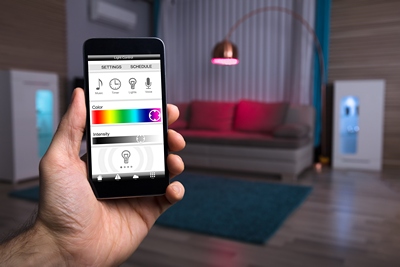
How to Use Arduino for Smart Home Lighting: A Comprehensive Guide Circuit Diagram
This system can be adapted for various rooms, hallways, or any location that benefits from automated lighting. Components Needed for the Project. To build this smart light control system, you'll need: Raspberry Pi Pico H: The main microcontroller. PIR Motion Sensor: To detect presence. LDR (Light Dependent Resistor): For ambient light detection. Several algorithms for smart lighting are related to advanced operations such as to tune the colour reproduction in real-time. In the next page, Image 4 showcases the Architecture of smart lighting system. Image 3: Internet of Things (IoT) Value Chain… (Picture reference: www.pinterest.co.uk) Image 4: Smart Lighting System Architecture
